







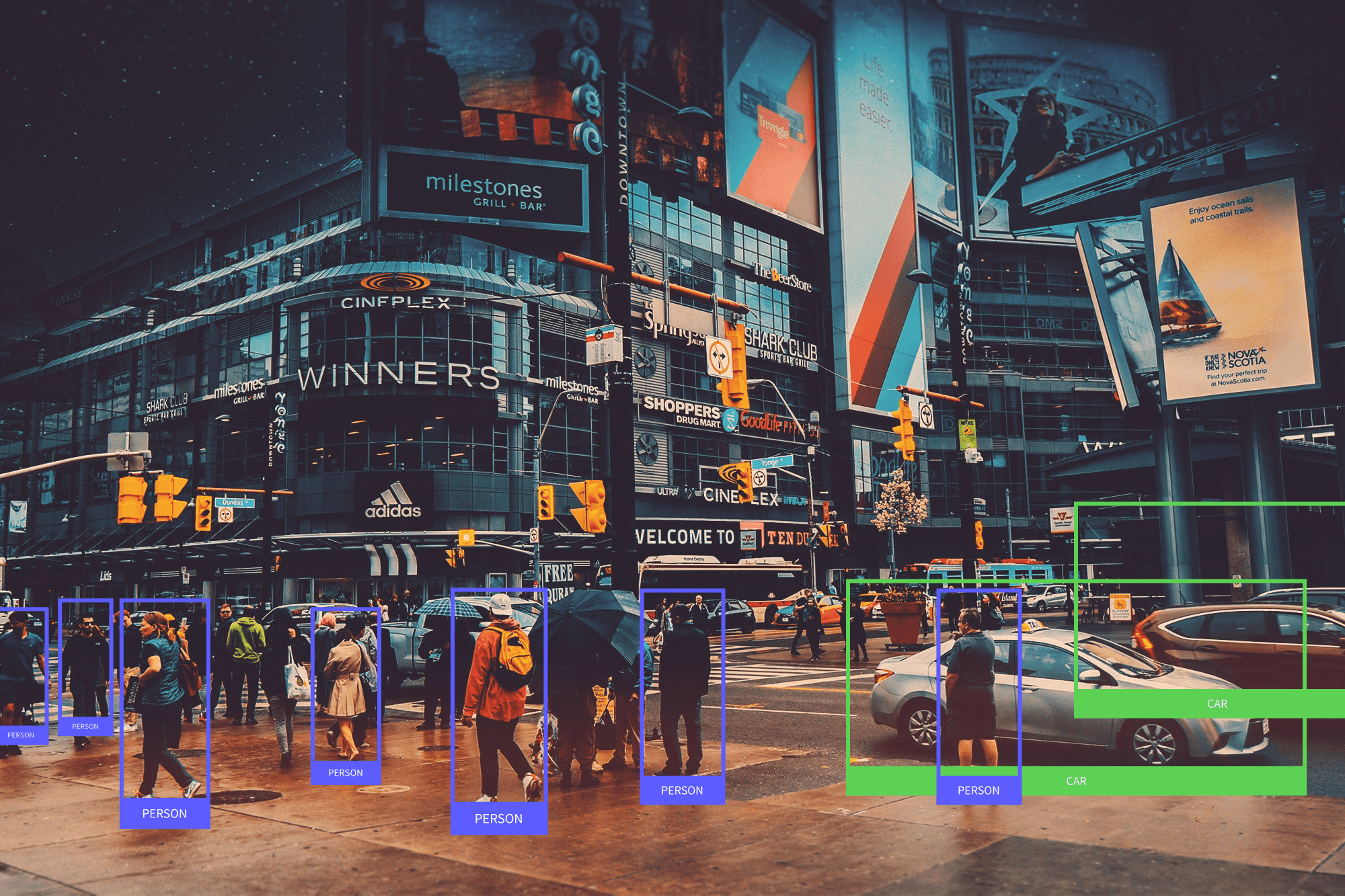
With artificial intelligence (AI) and machine learning (ML) technology gradually seeping into our daily lives, data and its appropriate use can cause a substantial impact on a company’s bottom line. ML algorithms can effectively use accurately labeled data to identify problems and offer practical solutions, making data labeling a vital part of the next-generation technology landscape.
In the context of machine learning, data labeling refers to the process of adding meaningful and informative tags or labels to raw data such as videos, audio, text files, or images. For instance, labels might specify which words were spoken in an audio recording, whether an image contains an animal or plant, or if an x-ray includes a tumor.
What is Labeling Works and How it Works
Data labeling is the process of taking raw data and adding meaningful tags to it so that AI systems can understand it. In simple terms, it is how we teach machines to recognize what they are looking at, hearing, or reading by giving structure and context to unorganized information.
Without data labeling, AI models would not be able to learn patterns or make accurate predictions, because they would not understand what the data actually represents.
Businesses integrate software, processes, and data labelers to clean, organize, and annotate data that underpins ML models. With the help of labels, data analysts can segregate variables within datasets, which facilitates the selection of optimal data predictors for ML models.
In 2026, this process of data labeling is no longer purely manual. Modern workflows often combine human annotators with AI-assisted tools that pre-label data. AI does the heavy lifting, whereas humans review, validate, and refine results. This hybrid approach significantly improves both speed and accuracy in large-scale ML projects.
Data Labeling Approaches in 2026
Depending on the annotated data and your goals, you can choose between three different setups: Manual, AI-driven, and hybrid. This will have a direct impact on speed, cost, and quality. Read the info in the table below to see the difference.
| Approach | Description | Advantages | Limitations | Cost |
|---|---|---|---|---|
| Manual Labeling | Annotation is carried out by humans | High accuracy in complex tasks, strong contextual understanding | Slow, expensive, not scalable | High cost due to labor intensity and time requirements |
| AI Labeling | ML models automatically generate labels | Extremely fast, scalable, cost-efficient | Lower accuracy in edge cases, requires training data | Low cost, but requires upfront investment in model training and infrastructure |
| Hybrid Systems (Human-in-the-loop) | AI pre-labels data, and humans validate or refine results | Balanced accuracy and efficiency, scalable for enterprise use | Requires system integration and quality control management | Medium cost, optimized over time through automation gains |
Types of Data Labeling
The two most common types of data labeling are:
Image labeling
Image labeling is the process of detecting and marking several details in an image. It is beneficial when automating the process of generating metadata or offering recommendations to users based on specifics in their imagery.
Video labeling
Video labeling involves adding metadata to video datasets. This information can include details on individuals, locations, objects, and more. A combination of human labelers and automated tools annotates target objects in video recording. An AI-powered computer then processes this labeled recording and uses ML techniques to discover ways to detect target objects in new, unlabeled videos.
In addition to traditional image and video labeling, modern AI systems in 2026 also rely on:
3D data labeling for autonomous systems and AR/VR environments
It’s teaching AI systems how to understand physical space, not just flat images. For example, in self-driving cars like those developed by companies such as Waymo or Tesla, the system needs more than just recognizing a pedestrian. It needs to understand how far that person is, whether they are moving, and if they might cross the road in a few seconds. That is exactly what 3D labeling provides by adding depth and spatial context to the data.
Another practical example is augmented reality (AR) applications. If you try a furniture placement app that lets you drop a virtual sofa into your living room, everything depends on accurate 3D labeling. If the model is not trained properly, the sofa might float in the air or sit inside a wall. So the quality of 3D annotation directly affects how realistic and usable the experience feels.
Multimodal labeling combining text, audio, and visual inputs
Multimodal labeling is when AI is trained using different types of data at the same time such as text, voice, and images. Think about a customer support scenario. A customer calls in, explains a problem, has an account history, and maybe even sends a screenshot of the issue. All of that is different data, but it all belongs to one situation.
When this data is properly labeled together, the system can understand context much better. It does not just hear words or read text, it connects everything. For example, large support platforms used by companies like Amazon or other global service providers rely on this kind of setup to understand customer intent more accurately and respond more intelligently.
Real-time streaming data annotation for dynamic AI systems
Real time data annotation means labeling information while it is happening instead of after it is collected. A good example is live sports analytics. During a football match, systems used by leagues like the Premier League track every movement on the field. Each pass, sprint, or shot is labeled instantly so teams and broadcasters can analyze the game in real time.
Another example is cybersecurity. If a banking system detects unusual login behavior, such as access from a new country or multiple failed attempts, the system does not wait for manual review. It immediately labels the activity as suspicious and can trigger a security response. This kind of real-time labeling is essential for systems that need to react instantly.
LLM training data labeling for generative AI models
This type of labeling is used to train large language models like ChatGPT. Instead of just feeding raw text, the data is structured and labeled so the model understands what a good response looks like, what tone is appropriate, and what information is actually useful.
For example, a single question might have multiple possible answers, and human reviewers label which response is more helpful, more accurate, or more natural. In some cases, entire conversations are evaluated and marked based on quality, tone, and relevance. It is similar to training a business assistant, where you show examples of good and bad communication so they learn how to respond properly over time.
How Data Labeling Benefits Various Industries
Data labeling is vital to various use cases, including natural language processing (NLP), computer vision, and speech recognition. Let’s take a look at some data labeling applications in specific industries.
Agriculture
The agriculture industry can use data labeling for monitoring crops, controlling weeds, and diagnosing pests and diseases. For example, farmers can use data labeling to identify individual livestock, such as pigs and cows, and to diagnose breeding status and detect disease as well.
Automotive
Autonomous vehicles like self-driving automobiles need to be able to tell the difference between objects in their path so that they can process the outside world and drive securely. Data labeling enables the vehicle’s AI to tell the difference between an individual, the road, another vehicle, and the sky by labeling the main features of those objects and looking for similarities between them. In 2026, these systems will increasingly rely on labeled LiDAR, radar, and camera fusion data to make real-time driving decisions with higher accuracy and safety.
Robotics
Data labeling can be used in robotics for various use cases like security monitoring, home delivery, drones, warehouse logistics, human/machine interaction, and even consumer applications such as lawnmowers and vacuums.
Ecommerce
Retailers can use data labeling to recommend products to customers. It makes the buying process efficient for the consumer and drives sales for the brand. Modern ecommerce platforms now use AI-labeled behavioral data to power recommendation engines, enabling highly personalized shopping experiences at scale.
Sports
Data labeling can help identify and analyze athlete movement, giving trainers a competitive advantage. For example, skeletal annotation can be used to identify the limb positions of players. Today, sports analytics platforms use computer vision models trained on labeled motion data to track performance, predict injuries, and optimize training strategies.
Leverage the Power of Data Labeling
Data labeling can improve the accuracy, quality, and usability of data in numerous contexts across industries. Helpware’s microtasking platform provides our customers with the highest quality image and video analysis in the form of usable data. Our platform deconstructs images and videos even to single-pixel points for exhaustive analysis.
We also have experience working with structured and unstructured data in named entity recognition, topic modeling, text summarization, sentiment analysis, aspect mining, and machine translation. Get in touch to learn more about how we can help your company.